Essential Tips for Keeping Horses Safe and Warm During Winter Weather

Winter brings unique challenges for horse owners. Snow, ice, and freezing temperatures can put horses at risk if they are not properly cared for. Ensuring your horse stays safe and comfortable during cold months requires attention to shelter, nutrition, hydration, and health monitoring. This guide offers practical advice to help you protect your horse throughout the winter season.
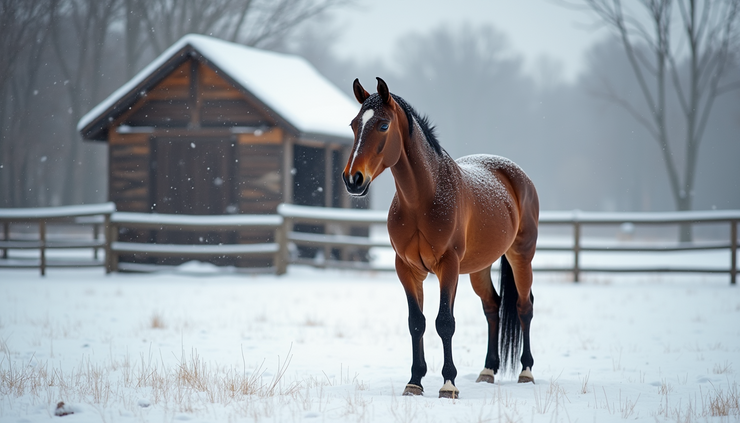
Providing Adequate Shelter
Horses need protection from harsh winter elements like wind, snow, and freezing rain. A well-designed shelter can make a big difference in their comfort and health.
Windbreaks and Sturdy Shelters
Use three-sided shelters or barns that block prevailing winds. Position shelters to face away from the coldest winds, usually north or northwest. Natural windbreaks such as trees or hills can also help reduce wind chill.
Dry Bedding
Keep the shelter floor dry with plenty of straw or shavings. Wet bedding can cause cold stress and increase the risk of respiratory problems.
Space and Ventilation
Ensure the shelter is large enough for all horses to lie down comfortably. Good ventilation prevents moisture buildup and ammonia from urine, which can irritate lungs.
Managing Nutrition for Winter Energy
Horses burn more calories in cold weather to maintain body heat. Adjusting their diet helps keep them warm and healthy.
Increase Forage Intake
Provide extra hay, especially good-quality grass or alfalfa hay. Digesting fiber generates internal heat, helping horses stay warm naturally.
Feed Small, Frequent Meals
Instead of one or two large meals, offer smaller portions throughout the day to maintain steady energy levels.
Consider Fat Supplements
Adding vegetable oil or rice bran can increase calorie intake without increasing feed volume.
Monitor Body Condition
Regularly check your horse’s weight and body condition score. Adjust feed accordingly to prevent weight loss.
Ensuring Proper Hydration
Horses often drink less water in cold weather, which can lead to dehydration and colic.
Provide Access to Fresh, Unfrozen Water
Use heated water buckets or automatic waterers to keep water from freezing.
Encourage Drinking
Adding warm water or a small amount of apple juice can entice horses to drink more.
Check Water Intake Daily
Monitor how much your horse drinks and watch for signs of dehydration such as dry gums or sunken eyes.
Protecting Hooves on Snow and Ice
Winter conditions can cause hoof problems if not managed carefully.
Regular Hoof Care
Keep hooves trimmed and clean. Snow and ice can pack into hooves, causing discomfort or slips.
Use Hoof Boots or Traction Devices
For horses working on icy surfaces, consider boots with studs or special shoes to improve grip.
Inspect Hooves Frequently
Look for cracks, thrush, or ice balls forming between the frog and sole.
Monitoring Health and Behavior
Cold weather can hide signs of illness or injury. Stay vigilant to keep your horse healthy.
Check for Weight Loss or Poor Coat Condition
A dull coat or dropping weight may indicate inadequate nutrition or health issues.
Watch for Respiratory Problems
Cold air can aggravate respiratory conditions. Look for coughing, nasal discharge, or labored breathing.
Observe Movement and Behavior
Lameness or reluctance to move may signal hoof or joint problems worsened by cold.
Schedule Regular Vet Visits
Keep vaccinations and deworming up to date. Discuss winter-specific care with your veterinarian.
Using Blankets Wisely
Blanketing can help some horses stay warm but is not always necessary.
Assess Individual Needs
Horses with thin coats, older horses, or those clipped for showing may benefit from blankets.
Choose the Right Blanket
Use waterproof, breathable blankets with appropriate insulation for your climate.
Check Fit and Condition
Blankets should fit well to avoid rubbing or restricting movement. Inspect regularly for damage.
Avoid Overblanketing
Too many layers can cause overheating and sweating, which leads to chills once the horse cools down.
Safe Exercise During Winter
Maintaining regular exercise helps keep horses healthy and prevents stiffness.
Warm Up Thoroughly
Cold muscles are prone to injury. Start with slow walking before increasing intensity.
Avoid Slippery Surfaces
Exercise in areas free of ice and deep snow to reduce the risk of falls.
Shorten Sessions if Needed
Limit time outside during extreme cold or storms.
Cool Down Properly
Walk your horse until sweat disappears to prevent chills.
Preparing for Emergencies
Winter weather can bring unexpected challenges. Being prepared helps you respond quickly.
Keep Emergency Supplies Handy
Stock extra feed, bedding, and water in case of storms or power outages.
Have a Plan for Shelter
Know where to move horses if their usual shelter becomes unsafe.
Monitor Weather Forecasts
Stay informed about upcoming storms or temperature drops.
Know Signs of Frostbite and Hypothermia
Early detection can save your horse’s life. Look for cold, pale skin or weakness.


Comments